

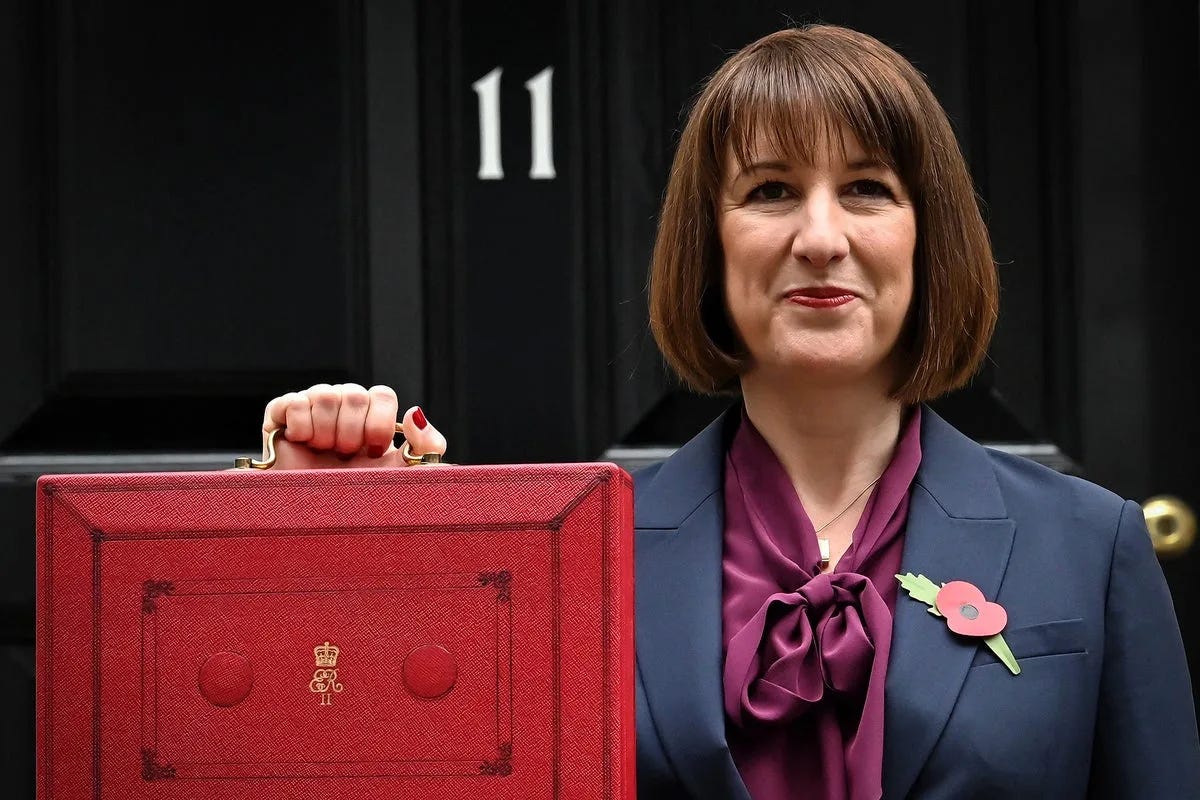
On November 26, 2025, Chancellor Rachel Reeves delivered the Autumn Budget, emphasising economic stability, public investment, and tax reforms to address fiscal challenges.
theguardian.com
Major Tax Changes
Income tax and national insurance thresholds frozen until 2031, potentially increasing tax burdens via fiscal drag.
Increases in taxes on property, dividends, savings (by 2 percentage points), and introduction of a mansion tax on high-value properties starting April 2028.
Pension contributions cap at £2,000 for NI relief from 2029; ISA cash limit reduced to £12,000 from 2027.
Fuel duty frozen until September 2026; new excise duties on electric vehicles.
Higher duties on remote gaming (to 40%), online betting (to 25%), tobacco, and alcohol; bingo duty abolished.
Business rates permanently lowered for smaller firms; customs duty on all parcels; reduced capital gains relief for business owners.
Spending and Investments
Abolition of the two-child benefit limit, aiding 450,000 children at a cost of £3bn by 2029-30.
National minimum wage rises: to £12.71/hour for over-21s and £10.85 for 18-20s from April 2026.
£4.9bn for NHS improvements, including more staff, tech, and health centers.
£13bn devolved funding for regional mayors; additional allocations to Scotland, Wales, and Northern Ireland for infrastructure and skills.
Investments in education (libraries, playgrounds), apprenticeships, energy bill reductions (£150 average saving), and green tech.
Economic Forecasts
GDP growth: 1.5% in 2025 (up from prior forecast), then 1.4% in 2026, stabilizing at 1.5% through 2030.
Inflation: 3.5% in 2025, easing to 2% by 2027.
Borrowing: £138.3bn in 2025-26, declining to £67.2bn by 2030-31, with surpluses projected from 2029 onward.